Many different things can
affect your chances
of getting breast cancer. There’s no single
cause. It results from a combination of the way we live our lives, our genes and our
environment. Breast cancer develops when abnormal cells in your breast divide and multiply.
But experts don’t know exactly what causes this process to begin in the first place.
However, research indicates that there are several risk factors that may increase your
chances of developing breast cancer. These include:
Age: Being 55 or
older increases
your risk for breast cancer.
Sex: Woman are much
more
likely to develop breast cancer than men.
Family history and
genetics: If you have parents, siblings, children or other close relatives who’ve
been diagnosed with breast cancer, you’re more likely to develop the disease at some point
in your life. About 5% to 10% of breast cancers are due to single abnormal genes that are
passed down from parents to children, and that can be discovered by genetic testing.
Radiation Exposure:
Your risk of acquiring breast cancer is higher if you had chest radiation treatments
as a child or young adult.
Obesity: Having more
fat tissue can raise your risk of developing breast cancer. Also, women who are overweight
typically have higher insulin levels.
Early menstruation and late
menopause: There is a slightly increased risk of breast cancer if menstruation
started before the ages of 11 or 12 or if menopause started beyond age 55. This occurs as a
result of the breast cells' prolonged exposure to estrogen and progesterone.
Never been pregnant:
Breast cells take longer to fully mature and because they are exposed to higher
estrogen levels.
Reproductive history:
Breast cancer risk can increase if a woman becomes pregnant for the first time after
the age of 30, chooses not to breastfeed, or never carries a child to term.
Drinking alcoholic drinks:
Estrogen, a hormone crucial to the growth and development of breast tissue, can be
increased by alcohol.
According to
research, the chance of developing breast cancer may also be increased by other
variables like smoking, exposure to
carcinogens, and changes in other
hormones brought
on by working the night shift.
Genes control
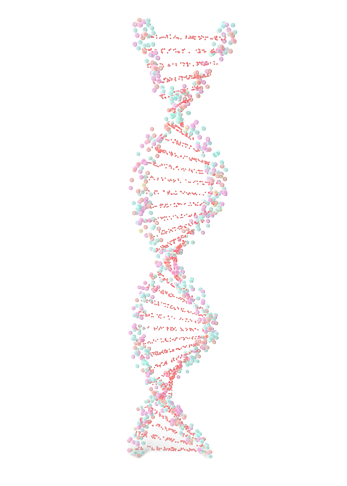
how our cells function. They are made up of a chemical called DNA, which comes
from both
our
parents. DNA affects
more than just how we look; it also can influence our risk for developing certain
diseases,
including some kinds of cancer.
Normal cells also have genes called tumor suppressor
genes,which help control how often normal cells divide in two, repair DNA
mistakes, or cause cells to die at the right time. If a cell has a mutated tumor suppressor
gene, then the cell can turn into cancer.
Cancers can be caused by
gene changes that turn on oncogenes or turn off tumor suppressor genes. Changes in many different
genes are usually needed to cause breast cancer.
Inherited gene
changes
Some gene changes (mutations) are inherited or
passed to you from your parents. This means
the mutations are in all your cells when you are born. Certain inherited gene changes can
greatly increase the risk for developing certain cancers and are linked to many of the
cancers that run in some families. For instance, the BRCA genes (BRCA1 and BRCA2) are tumor
suppressor genes. When one of these genes changes, it no longer suppresses abnormal cell
growth, and cancer is more likely to develop. A change in one of these genes can be passed
from a parent to a child.
Acquired gene changes
Most gene mutations linked
to breast cancer are acquired. This means the
change takes place in breast cells during a person's life rather than having been inherited
or born with them. Acquired DNA mutations take place over time and are only in the breast
cancer cells. These acquired mutations of oncogenes and/or tumor suppressor genes may result
from other factors, like radiation or cancer-causing chemicals. But some gene changes may
just be random events that sometimes happen inside a cell, without having an outside cause.
So far, the causes of most acquired mutations that could lead to breast cancer are still
unknown. Most breast cancers have several acquired gene mutations.





Leave a Comment
Hi there! This is my comment.
Hello! How can I help you?
Can you tell me more about the statistics?